Saying You Treat People Other Practices Find Difficult
Severe dental phobia is a different problem from ordinary nervousness, and a practice that genuinely handles it needs to say so in terms a phobic patient recognises if it wants to be named when that patient finally searches. Assistants describing how to choose a dentist when anxious recommend looking for experience helping anxious patients specifically, which is a capability claim rather than a temperament claim, and it is usually made in language too general to be checked.
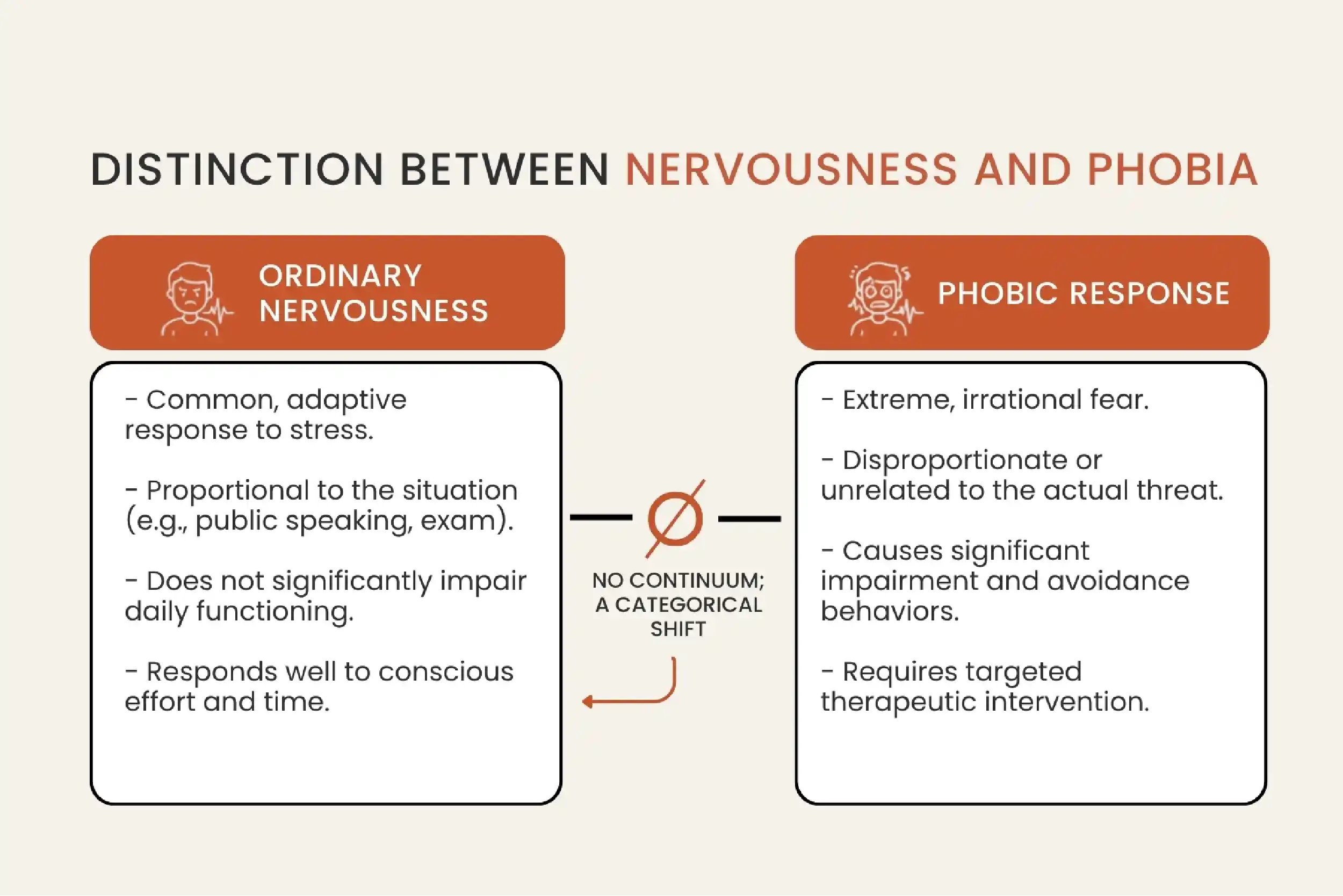
The distinction that matters
A nervous patient dislikes the appointment and attends. A phobic patient cannot make the call, cancels repeatedly, or sits in the car park and drives away. The second needs a different process, not a gentler manner, and a page addressing only the first does nothing for them.
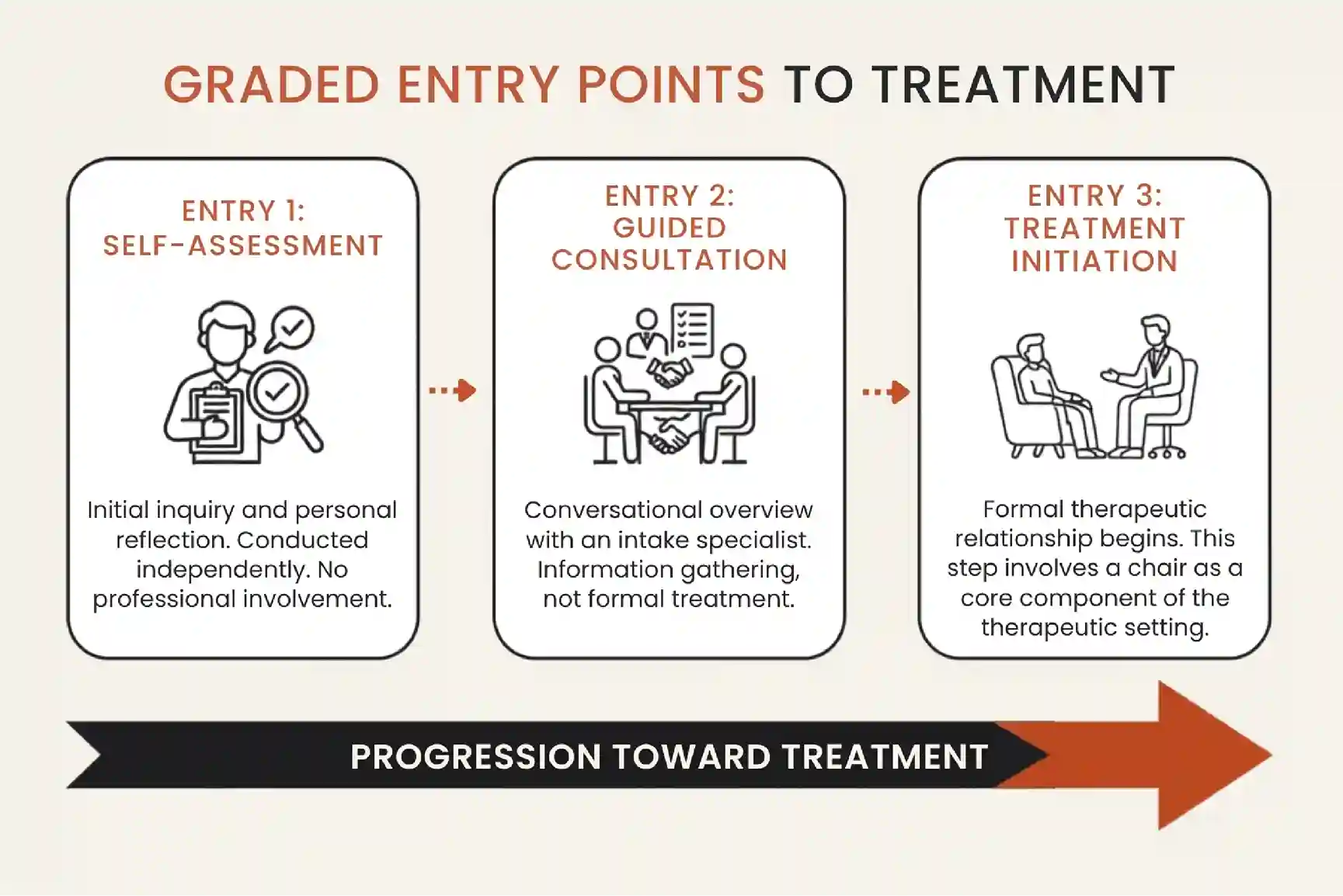
What the second needs is a way in that does not begin with a chair. A phone conversation with a clinician, a visit to see the room with no treatment, and an appointment that can be ended at any point are process changes rather than reassurances.
What a practice with real experience can say
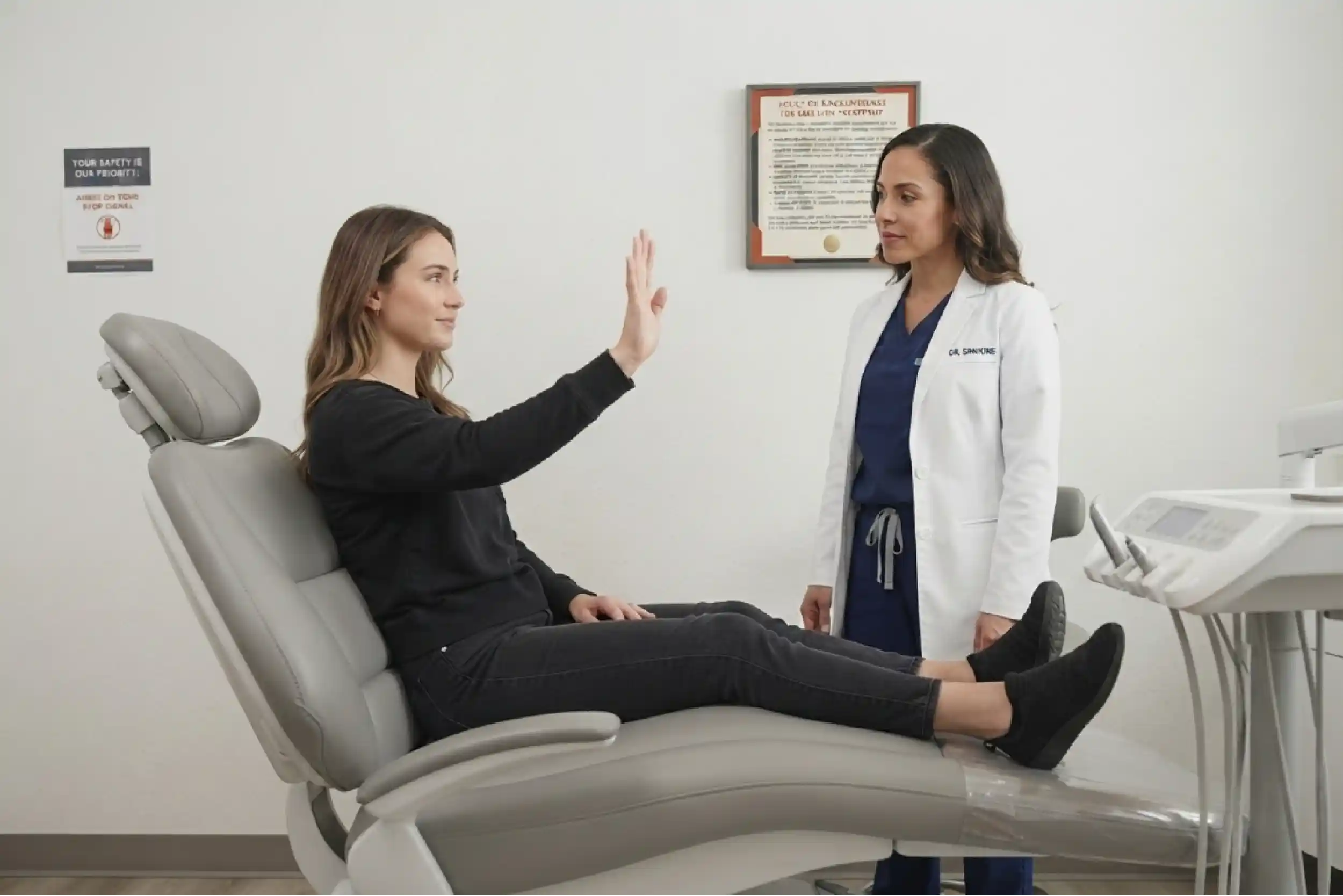
Specifics that a general claim cannot fake. That a first appointment can be a conversation in a normal room. That the practice will treat over more visits than usual if that is what it takes. That a patient can bring someone with them, or listen to their own audio, or agree a signal to stop.
Naming the clinician who does this work is stronger than claiming it practice wide. Not every dentist is suited to it, patients know that, and a practice that says one named person handles nervous patients is making a credible claim rather than a blanket one.
The cancellation problem, said out loud
Phobic patients cancel, and many practices charge for it, which is the exact mechanism that keeps someone away permanently after one failed attempt. A practice that waives or moderates the fee for a first appointment has removed the largest single barrier and almost none of them say so.
If the policy exists, publish it. If it does not, consider whether the revenue from a charged cancellation exceeds the value of a patient who would otherwise never return, because for this group it usually does not.
What to avoid entirely
Do not describe the practice as gentle and leave it there. Every practice says it, it is unverifiable, and to a phobic reader it is the language of a brochure rather than a plan.
Do not use imagery of relaxed patients as reassurance on this page, and do not frame avoidance as a failure the reader should regret. The reader already carries that. A page that adds to it confirms the fear that brought them to search in the first place, which is that they will be judged for having stayed away.
SEO Is My Love Language was founded by Jose Villalobos, who has spent his career on a single discipline: getting businesses found, cited, and recommended by AI search. He has been a member of Koray Tuğberk Gübür’s Holistic SEO Community since 2022, is a graduate of the Topical Authority Course, holds the Google AI Professional Certificate, and is a member of Kyle Roof’s IMG. That combination, topical authority strategy paired with rigorous on-page execution, is what our team brings to every practice we work with.
A practice that genuinely handles severe phobia has something specific to say and almost never says it in public, which is what the visibility that brings these patients through the door is for. The milder case is a different page, ordinary nervousness, which is a different problem, and the concrete answer this reader wants is what can be offered to get somebody through the chair.
Frequently asked questions
How is dental phobia different from ordinary nervousness?
A nervous patient dislikes the appointment and attends. A phobic patient cannot make the call, cancels repeatedly, or sits in the car park and drives away. The second needs a different process rather than a gentler manner.
What does a phobic patient need from a practice?
A way in that does not begin with a chair: a phone conversation with a clinician, a visit to see the room with no treatment, and an appointment that can be ended at any point. Those are process changes rather than reassurances.
What can a practice with real experience say that a general claim cannot?
That a first appointment can be a conversation in a normal room, that treatment can be spread over more visits than usual, that a patient can bring someone or agree a signal to stop. Naming the clinician who does this work is stronger than claiming it practice wide.
What is the biggest practical barrier?
Cancellation fees. Phobic patients cancel, and charging for it is the mechanism that keeps someone away permanently after one failed attempt. A practice that waives or moderates the fee for a first appointment has removed the largest single barrier, and almost none say so.
What should this page avoid?
Describing the practice as gentle and leaving it there, which every practice says and none can verify. Also avoid imagery of relaxed patients and any framing of avoidance as a failure to regret, because the reader already carries that and it confirms the fear that they will be judged for staying away.
See where your practice stands in AI answers
See where your practice stands in AI answers today and what it would take to own the answer. Book a strategy call and we will show you.