Generating and Answering Reviews as a Dental Practice
Reviews are the second most frequently raised attribute in how assistants describe choosing a dentist, behind only insurance, which ties them closely to whether your practice is named when a patient searches, and they carry a constraint most review advice ignores: a dental practice cannot discuss a patient’s treatment in public even when that patient has described it themselves. That makes generating reviews straightforward and answering them the harder half.
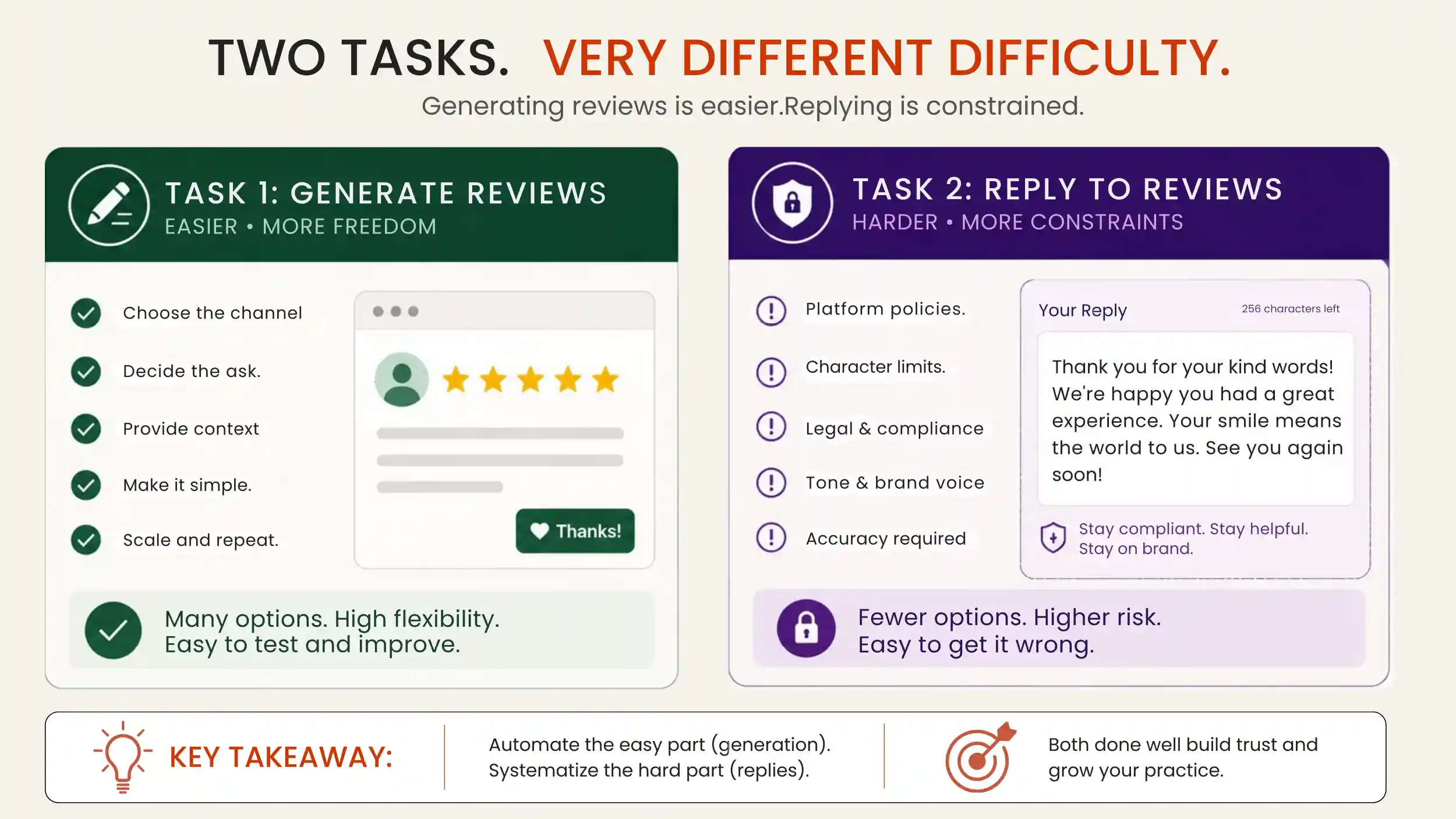
Asking, and when
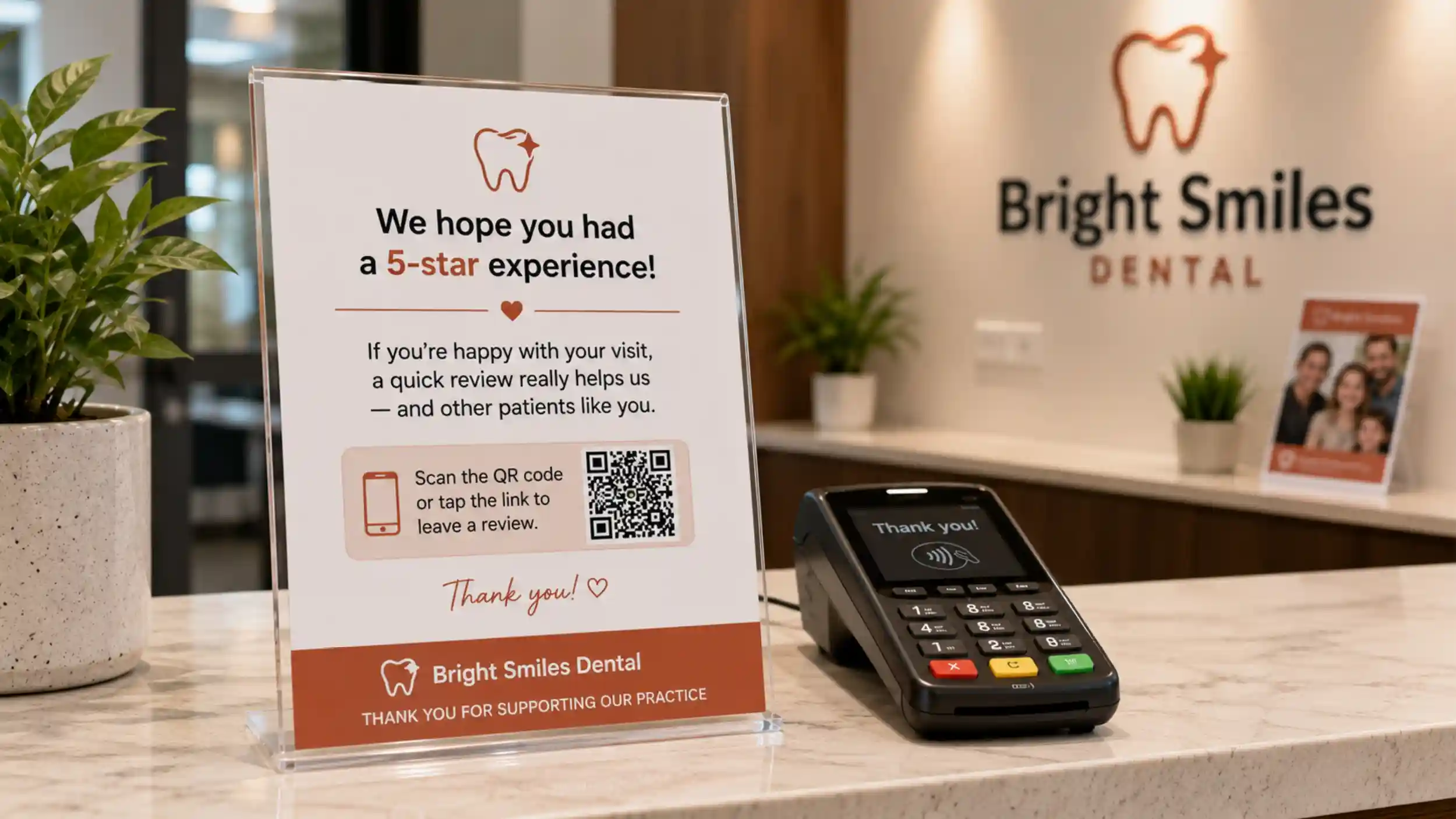
Ask about the experience rather than the outcome, because the experience is what a prospective patient is assessing and it is what the patient can speak to freely. Whether they were seen on time, whether things were explained, whether the cost matched what they were told.
The moment matters. Immediately after a difficult procedure is the worst time even when it went well, because the patient is evaluating how they feel rather than how they were treated. A day or two later, after a routine visit, produces a more accurate review and a higher response rate.
Volume, spread and the imperfect average
A steady flow across months reads as a practice; twenty reviews in one week reads as a campaign and platforms treat it that way. Steady is also easier to sustain, because it is a habit at reception rather than a project.
A perfect five is less credible than a high average with a few critical entries. Patients discount unbroken praise, and a practice with some criticism and good replies is read as real, which is the outcome the exercise is for.
Replying under confidentiality
Never confirm that a reviewer was a patient, never describe the treatment, and never correct their account of clinical events even where the record supports you. The reply that seems measured and still identifies the person is the one that creates a regulatory problem.
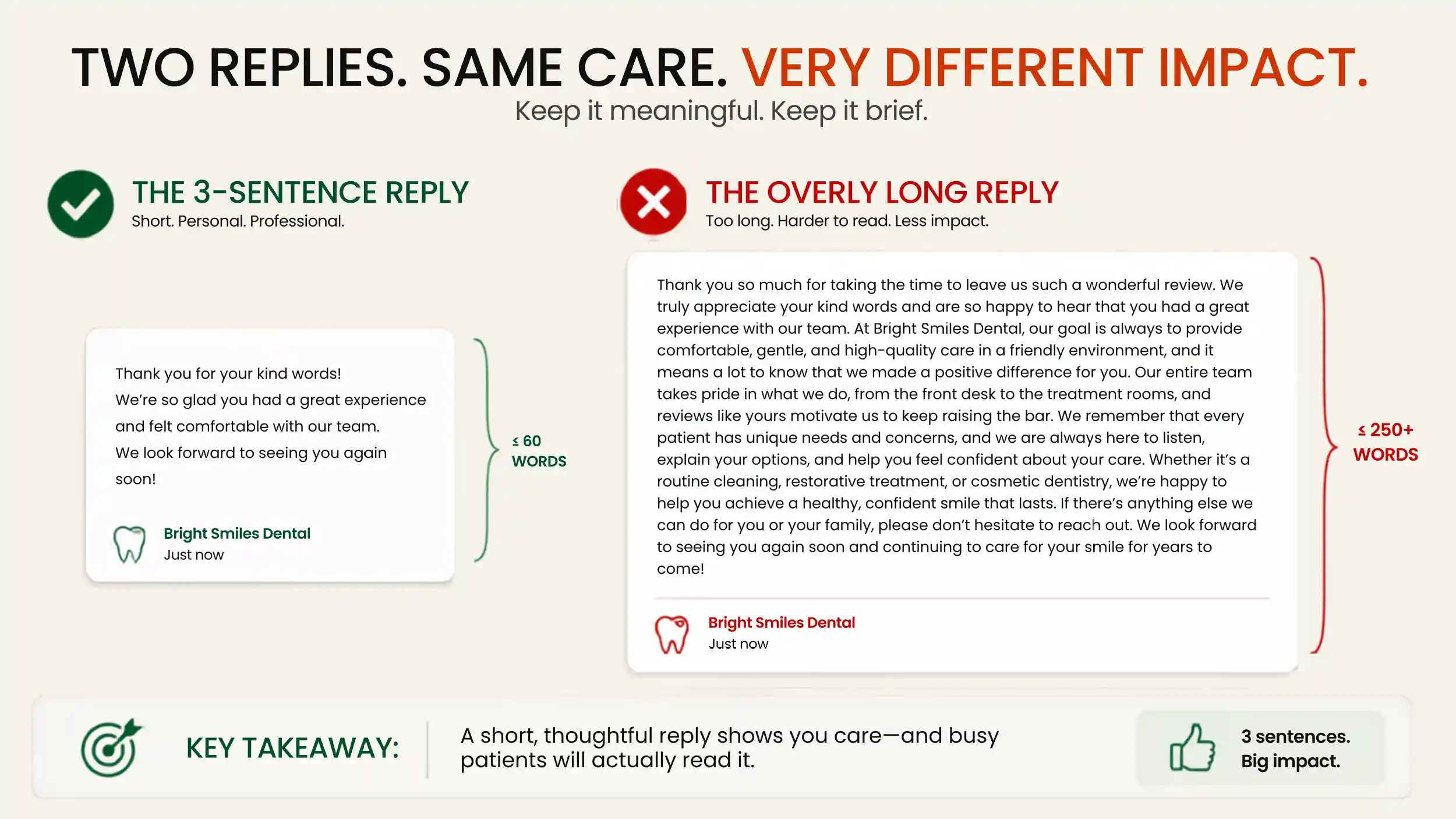
Short, non specific, and offering a route to speak directly is the whole of a safe reply. The audience is the next reader rather than the reviewer, and they are judging temperament, so three sentences reads better than a detailed defence would even if a defence were permitted.
Where reviews live
Google carries the most weight because it is where the map result is decided, and the practice cannot choose to compete elsewhere instead. Health specific platforms matter for some audiences and none replaces the primary listing.
Do not incentivise. Offering anything of value for a review is treated as a violation by platforms and as improper by several regulators, and the practice that does it acquires a profile that reads as bought to precisely the careful patient it was trying to attract.
SEO Is My Love Language was founded by Jose Villalobos, who has spent his career on a single discipline: getting businesses found, cited, and recommended by AI search. He has been a member of Koray Tuğberk Gübür’s Holistic SEO Community since 2022, is a graduate of the Topical Authority Course, holds the Google AI Professional Certificate, and is a member of Kyle Roof’s IMG. That combination, topical authority strategy paired with rigorous on-page execution, is what our team brings to every practice we work with.
Reviews are the second strongest thing a patient checks, and they sit inside reviews inside the wider dental picture rather than standing on their own. What they mostly describe is process, so the practical work is in the reminders and call-backs reviews are usually about.
Review timing distorts the record in every trade where the outcome is not visible on the day. Flooring has the clearest version of it in why every review was written on the day the floor looked best.
Frequently asked questions
What should a dental practice ask patients to review?
The experience rather than the outcome: whether they were seen on time, whether things were explained, whether the cost matched what they were told. That is what a prospective patient is assessing and what the patient can speak to freely.
When is the best time to ask?
A day or two after a routine visit. Immediately after a difficult procedure is the worst moment even when it went well, because the patient is evaluating how they feel rather than how they were treated.
Is a perfect five star average good?
Less credible than a high average with a few critical entries. Patients discount unbroken praise, and a practice with some criticism and good replies is read as real, which is the outcome the exercise is for.
How should a practice reply to a negative review?
Short, non specific, offering a route to speak directly. Never confirm the reviewer was a patient, never describe the treatment, and never correct their account of clinical events even where the record supports you. The audience is the next reader, who is judging temperament.
Should a practice offer anything in return for a review?
No. Platforms treat it as a violation and several regulators treat it as improper, and it produces a profile that reads as bought to exactly the careful patient it was meant to attract.
See where your practice stands in AI answers
See where your practice stands in AI answers today and what it would take to own the answer. Book a strategy call and we will show you.